
Since moving to France, I’ve had the joy of discovering a vibrant cultural life, punctuated by events that bring people together in unique ways. From the lively rhythms of La Fête de la Musique to the enchanting Night of Museums, France seems to celebrate art and history at every corner. Among these cultural festivities, there is one weekend I treasure above all others: the European Heritage Days.
Every September, this special event allows the public to explore historical sites that are usually closed to visitors, often for free. It’s a rare opportunity to step inside buildings steeped in centuries of stories and to truly understand their significance.
During these days in Rennes, where I currently live, I’ve had the chance to visit some truly extraordinary sites. Each one offered me a unique journey through time and history.
Jacques-Cartier Prison: A Silent Witness of History
One of the most striking visits was to Jacques-Cartier Prison, a former departmental prison built in the 19th century by architect Jean-Marie Laloy. This imposing structure served as a detention center until 2010 and carries the heavy memory of World War II, when political prisoners captured by the Nazis were held there before being deported to concentration camps.
Walking through its dark, narrow corridors was an intense experience. I could almost hear the echoes of the past, imagining the lives and fears of those who were once confined within these walls. Although the prison has been closed for years, it opens exceptionally for Heritage Days, allowing visitors to rediscover this historic site. Rennes Métropole has plans to transform the building into a cultural venue — a beautiful way to give it a new chapter while preserving its legacy.


The Underground Reservoir: A Hidden Cathedral of Water
Another unforgettable experience was exploring the underground water reservoir. Supported by 196 six-meter-high pillars, the structure resembles a mysterious subterranean cathedral. Even though it has been out of service since 2012, it still holds water to maintain its preservation.
The atmosphere inside was both impressive and almost mystical, with soft echoes bouncing off the stone pillars. Knowledgeable staff from Eau du Bassin Rennais guided the visit, sharing their passion for ensuring the constant flow of clean drinking water. Because of its underground location, access is limited, but the experience is unlike any other — both educational and deeply atmospheric.


Institut Agro Rennes-Angers: Seeds of the Future
I was also pleasantly surprised by my visit to Institut Agro Rennes-Angers, a prestigious institution dedicated to agriculture, food, and environmental research. Wandering through its laboratories, library, and small seed collection museum was like stepping into the future.
Here, researchers and students are working on the challenges of tomorrow — how to feed the planet while respecting nature’s limits. This visit was inspiring and thought-provoking, revealing the link between scientific innovation and our shared cultural heritage.


Parliament of Brittany: A Jewel Reborn
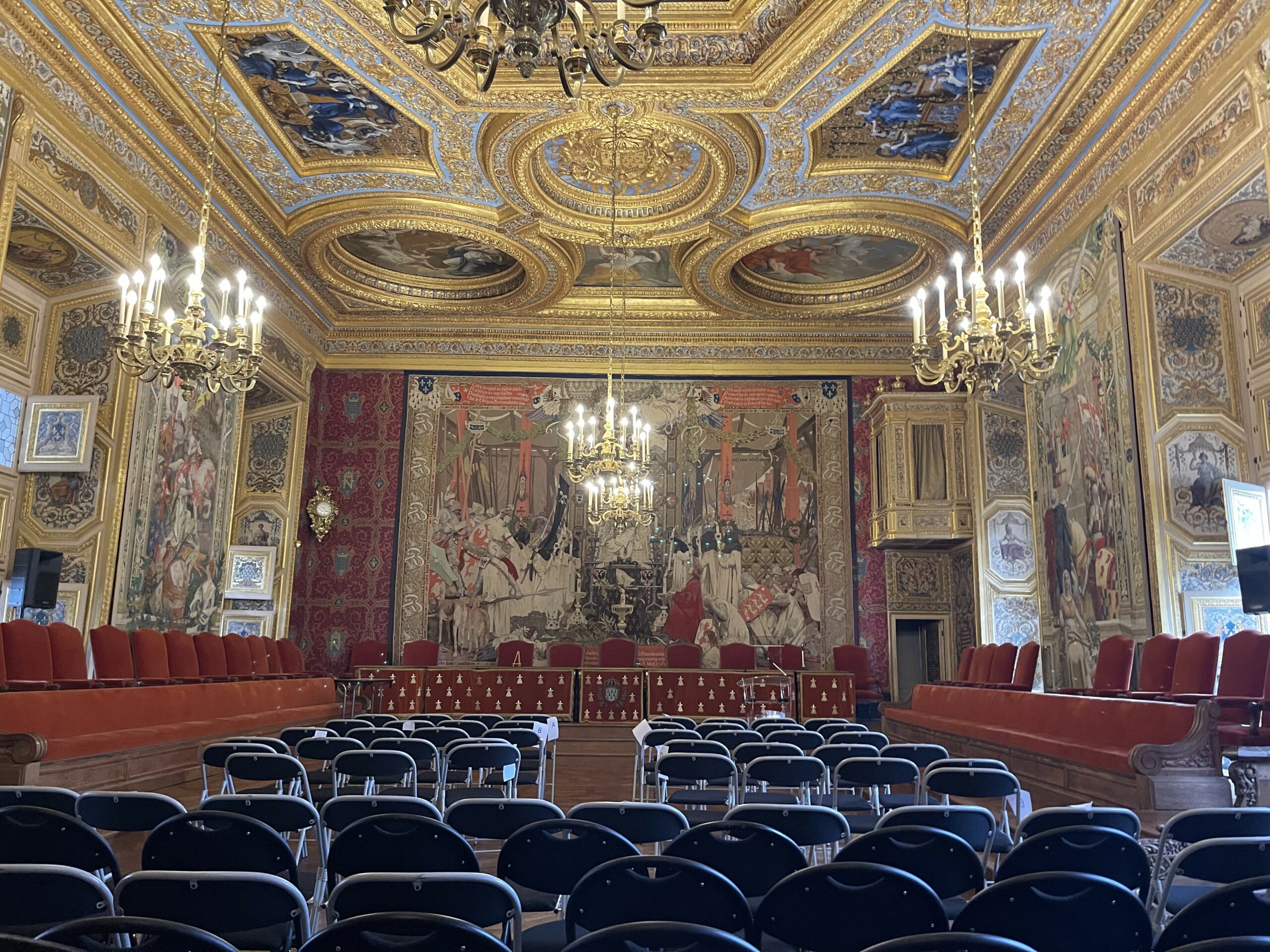
No journey through Rennes would be complete without mentioning the Parliament of Brittany, a true architectural gem. Designed by Salomon de Brosse in the 17th century, the building miraculously survived the great fire of 1720 but suffered severe damage in the tragic fire of 1994. Thanks to meticulous restoration, it has since regained all its former glory.
Inside, French-style ceilings, golden wood carvings, and large allegorical paintings give the space a breathtaking grandeur. The Grand’Chambre, in particular, stands as a masterpiece — a testament to the resilience of cultural heritage and collective will.


A Celebration of Memory and Transmission
European Heritage Days were first launched in France in 1984 at the initiative of Minister Jack Lang. The idea quickly spread beyond French borders, and today, around fifty countries participate in this annual celebration every third weekend of September. Churches, museums, courthouses, castles, town halls, and even private sites open their doors to the public, inviting everyone to explore and connect with history.
For me, these days are more than cultural visits — they are a reminder of how history lives within us. They encourage citizens to value their heritage and inspire younger generations to protect it.
As a Bangladeshi, I can’t help but reflect on what it would mean to have such events back home. Perhaps some of our own architectural treasures might have been better preserved and restored if we had similar initiatives.
European Heritage Days are not just a festive cultural moment; they are an act of collective memory and transmission, a bridge between past and future. Each visit is like opening a new page in the book of history — and each step reminds me why preserving heritage is essential for every community, everywhere.
Leave a Reply